





Biometric Airports: The Future of Seamless Passport-Free Travel
Biometric Airports: The Future of Seamless Passport-Free Travel
Air travel is undergoing a major transformation as technology reshapes the passenger experience. One of the most significant advancements is the emergence of biometric airports, where facial recognition and digital identity systems are replacing traditional travel documents.
This innovation is paving the way for passport-free travel, making airport processes faster, more efficient, and more secure.
What Are Biometric Airports?
Biometric airports use advanced technologies such as facial recognition, fingerprint scanning, and iris detection to verify passenger identity.
Instead of presenting physical documents at multiple checkpoints, travelers can move through the airport using their biometric data.
Key touchpoints include:
- Check-in counters
- Security screening
- Boarding gates
- Immigration checkpoints
This creates a seamless and contactless travel experience.
How Biometric Systems Work
Biometric systems capture and store a traveler’s unique physical features. These are then matched against official identification records.
For example:
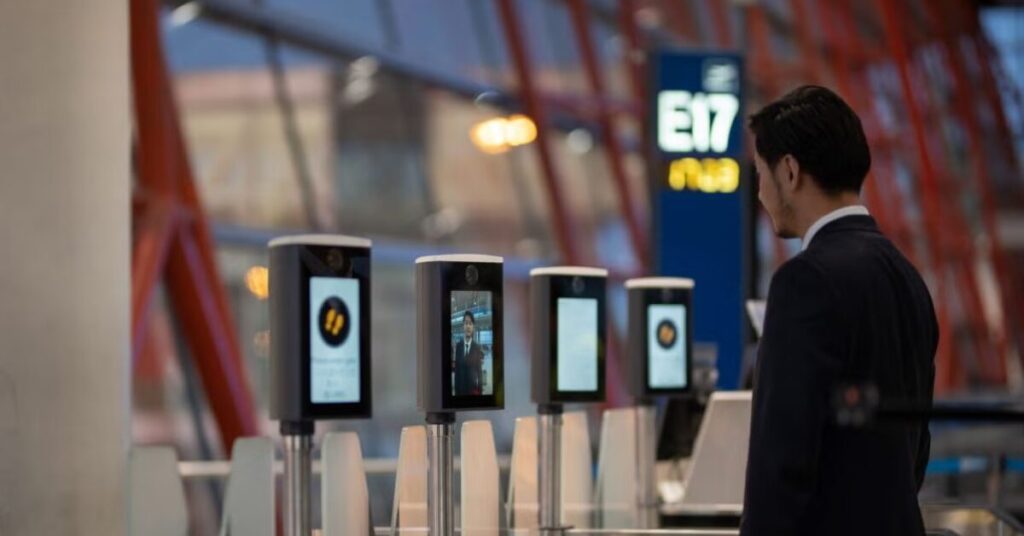
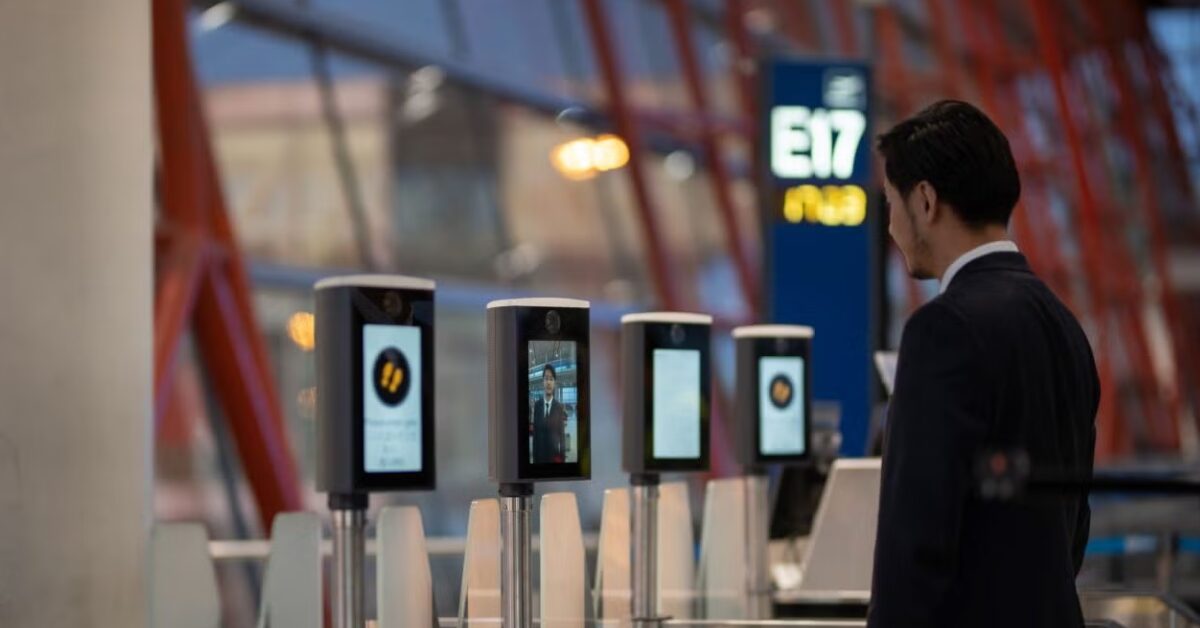
- Facial recognition cameras scan a passenger’s face
- The system verifies identity against stored data
- Access is granted without manual document checks
This process significantly reduces waiting times and human intervention.
Benefits of Biometric Airports
Faster Processing
Biometric systems streamline airport procedures, reducing queues and wait times.
Enhanced Security
Advanced identification methods improve accuracy and reduce the risk of identity fraud.
Contactless Experience
Touchless technology became especially important during global health concerns, making travel safer.
Improved Passenger Experience
Seamless movement through the airport enhances convenience and reduces stress.
Global Adoption of Biometric Technology
Airports around the world are increasingly adopting biometric systems.
Leading hubs in regions such as North America, Europe, and Asia are implementing smart airport solutions to improve efficiency and passenger satisfaction.
Airlines are also collaborating with governments and technology providers to integrate biometric systems into their operations.
Challenges and Concerns
Despite its advantages, biometric technology raises important concerns.
Privacy and Data Security
Storing biometric data requires strict security measures to prevent misuse.
Regulatory Frameworks
Different countries have varying regulations regarding data protection and identity verification.
Technology Reliability
Ensuring accuracy across diverse populations and conditions is essential for widespread adoption.
The Future of Passport-Free Travel
Biometric airports are expected to evolve further, potentially eliminating the need for physical passports altogether.
Future developments may include:
- Digital identity wallets
- Integration with mobile devices
- Fully automated airport journeys
These advancements will redefine how people travel internationally.
The Role of Governments and Airlines
Successful implementation of biometric systems requires collaboration between governments, airlines, and technology providers.
Policies must balance security, privacy, and convenience to ensure a smooth transition to digital travel systems.
Conclusion
Biometric airports represent the future of air travel, offering faster, safer, and more efficient journeys. By replacing traditional processes with advanced technology, they are transforming the passenger experience.
As adoption continues to grow, the concept of passport-free travel may soon become a reality, marking a new era in global mobility.