






Cultural Apprenticeships in Travel: Beyond Traditional Sightseeing

Cultural Apprenticeships in Travel: Beyond Traditional Sightseeing
Travel is undergoing a major transformation. Instead of simply visiting landmarks and taking photos, many travelers are now seeking deeper, more meaningful experiences. This shift has led to the rise of cultural apprenticeships, where travelers actively learn and participate in local traditions.
From pottery workshops to cooking classes and traditional crafts, these immersive experiences allow travelers to go beyond sightseeing and become part of the culture they are exploring.
What Are Cultural Apprenticeships?
Cultural apprenticeships are travel experiences where visitors spend time learning a skill, craft, or tradition from local experts.
These experiences may include:
- Learning traditional cooking techniques
- Practicing local crafts such as weaving or pottery
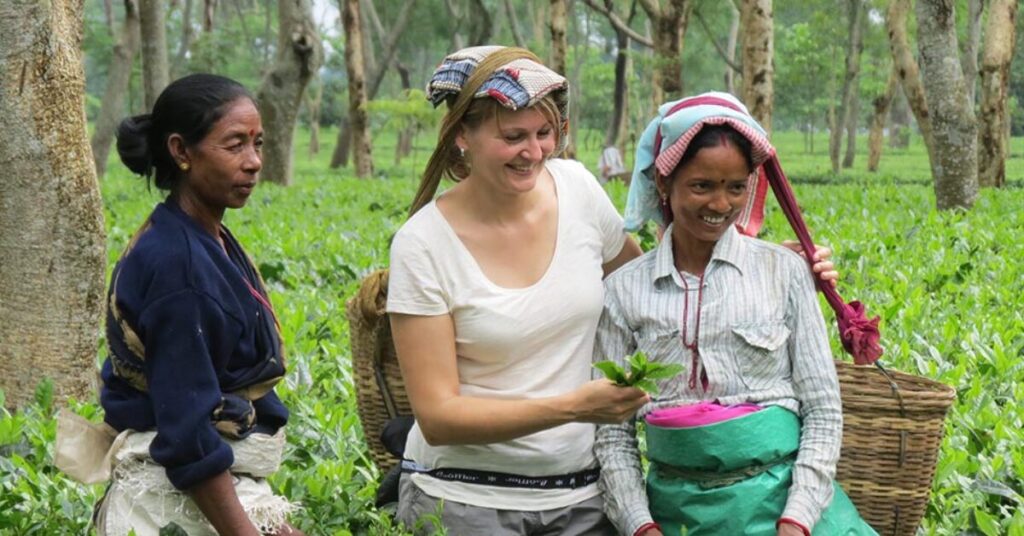
- Participating in farming or agricultural activities
- Studying regional art forms or music
Unlike conventional tourism, cultural apprenticeships focus on active participation and skill-building.
Why Travelers Are Choosing This Trend
Desire for Authentic Experiences
Modern travelers are looking for genuine connections with the places they visit. Cultural apprenticeships provide a deeper understanding of local lifestyles and traditions.
Moving Beyond Surface-Level Tourism
Traditional sightseeing often offers limited engagement. Apprenticeships allow travelers to spend more time in one place, gaining meaningful insights.
Personal Growth and Learning
These experiences provide opportunities to learn new skills and gain knowledge, making travel more enriching and purposeful.
Types of Cultural Apprenticeships
Culinary Experiences
Food is one of the most popular entry points into culture. Travelers can learn to cook local dishes, understand ingredients, and explore culinary traditions.
Craft and Art Workshops
Workshops in pottery, textiles, painting, and other crafts allow travelers to create something tangible while learning about cultural heritage.
Agricultural and Rural Experiences
Participating in farming activities or rural life offers insight into traditional livelihoods and sustainable practices.
Benefits for Local Communities
Cultural apprenticeships not only benefit travelers but also support local communities.
Key advantages include:
- Generating income for artisans and local experts
- Preserving traditional skills and crafts
- Encouraging cultural exchange
- Promoting sustainable tourism
This model creates a more balanced and mutually beneficial tourism ecosystem.
The Role of Slow Travel
Cultural apprenticeships align closely with the concept of slow travel, which emphasizes spending more time in fewer places.
This approach allows travelers to:
- Build meaningful relationships
- Gain a deeper understanding of local culture
- Reduce the environmental impact of travel
Challenges and Considerations
While cultural apprenticeships offer many benefits, they require careful planning.
Travelers should:
- Choose authentic and ethical programs
- Respect cultural norms and practices
- Be patient and open to learning
- Avoid treating experiences as mere entertainment
The Future of Experiential Travel
As travelers continue to seek meaningful experiences, cultural apprenticeships are expected to grow in popularity. Travel companies and local communities are increasingly offering structured programs to meet this demand.
Technology is also making it easier to discover and book such experiences.
Conclusion
The rise of cultural apprenticeships reflects a shift toward more immersive and meaningful travel. By participating in local traditions, travelers can gain a deeper appreciation for culture while creating lasting memories.
In the future of travel, the most valuable experiences may not be about what you see but about what you learn and create.