



Floating Villages and Water Cities Around the World
Floating Villages and Water Cities Around the World
While most cities are built on land, some of the world’s most fascinating communities exist entirely on water. From floating villages to canal-based cities, these destinations offer a unique way of life shaped by rivers, lakes, and seas.
Floating settlements are not just tourist attractions they are living, breathing communities with deep cultural roots and innovative adaptations to their environments. As travellers seek unique and immersive experiences, water-based destinations are gaining global attention.
What Are Floating Villages and Water Cities?
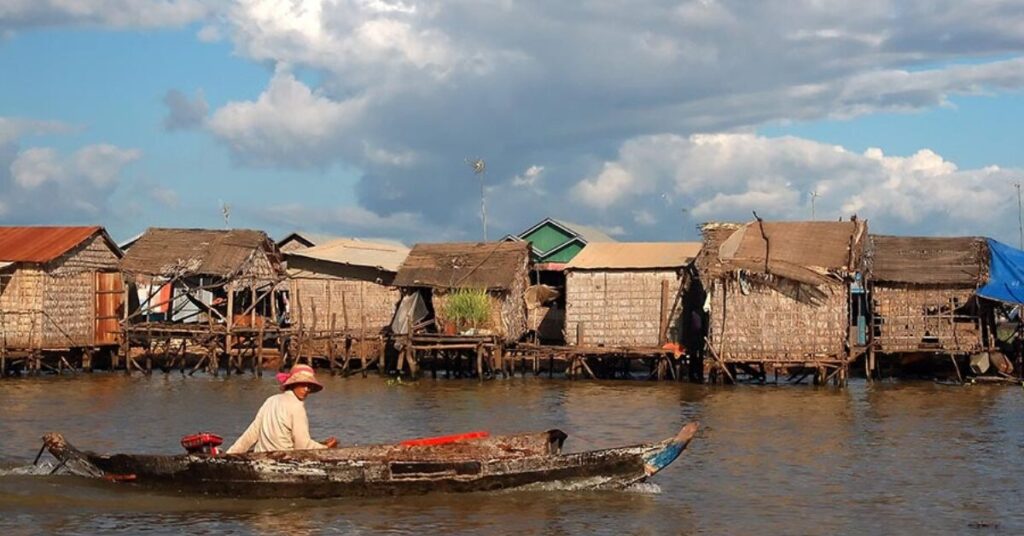
Floating villages are communities where homes, markets, and daily life are built on or above water. These structures may be supported by stilts, floating platforms, or anchored systems.
Water cities, on the other hand, are urban settlements designed around waterways, where canals often replace roads.
These environments are characterized by:
- Boat-based transportation
- Aquatic livelihoods such as fishing
- Unique architectural styles adapted to water conditions
- Strong community bonds shaped by shared environments
Iconic Water-Based Destinations Around the World
Venice
One of the most famous water cities in the world, Venice is built on a network of canals. Its gondolas, historic architecture, and cultural heritage make it a timeless destination for travelers.
Tonlé Sap Lake
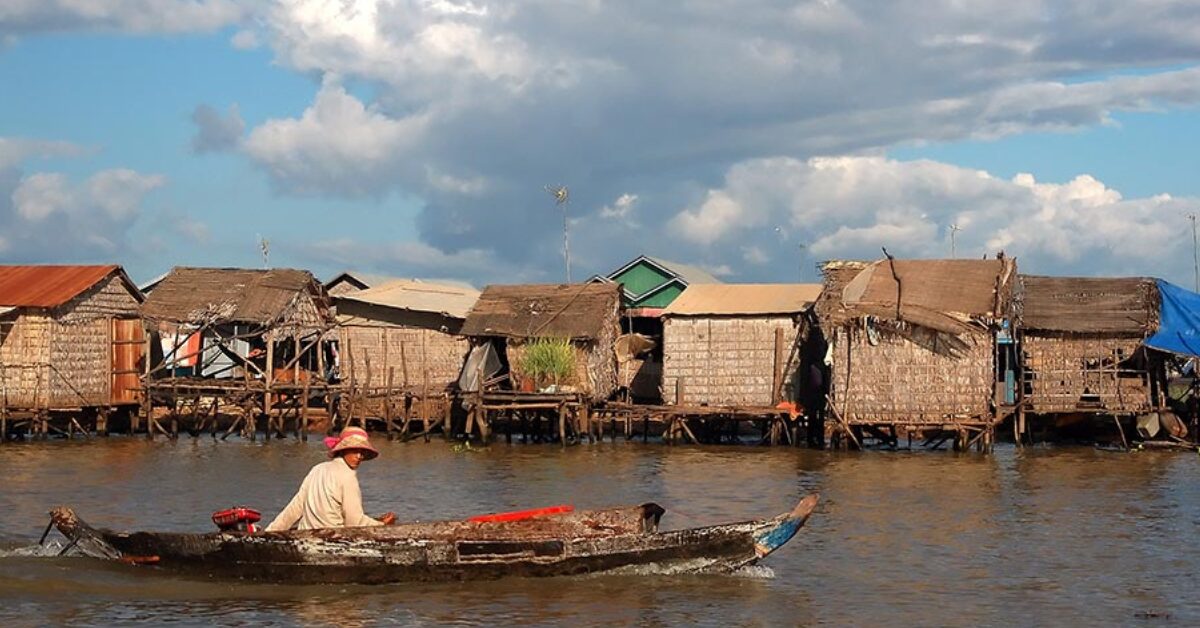
Home to several floating villages, Tonlé Sap Lake showcases communities that move with changing water levels. Houses, schools, and markets float together, creating a dynamic and adaptive lifestyle.
Halong Bay
Known for its limestone karsts and emerald waters, Halong Bay also hosts floating fishing villages that offer insight into traditional maritime living.
Inle Lake
Inle Lake is famous for its stilt houses and floating gardens. The local communities have developed innovative agricultural techniques that allow crops to grow directly on water.
Cultural Significance of Water Living
Living on water shapes every aspect of life, from occupation to social interaction. These communities often depend on fishing, trade, and tourism for their livelihoods.
Cultural traditions are deeply influenced by the aquatic environment, with festivals, rituals, and daily practices centered around water.
Architectural Innovation
Floating villages demonstrate remarkable ingenuity in design and construction.
Key features include:
- Lightweight materials for buoyancy
- Elevated structures to prevent flooding
- Flexible anchoring systems to adapt to water levels
These solutions reflect centuries of adaptation and resilience.
Tourism and Its Impact
Floating villages and water cities attract travelers seeking unique experiences. Tourism provides economic opportunities but also presents challenges.
Positive impacts include:
- Increased income for local communities
- Preservation of cultural heritage
- Infrastructure development
However, excessive tourism can disrupt traditional lifestyles and harm fragile ecosystems.
Sustainable Travel in Water Communities
Responsible tourism is essential to protect these unique environments. Travelers can contribute by:
- Respecting local customs and traditions
- Avoiding pollution and waste
- Supporting local businesses
- Choosing eco-friendly tours
The Future of Floating Living
As climate change and rising sea levels become global concerns, floating architecture is gaining renewed interest. These communities may offer valuable insights into sustainable living in water-based environments.
Conclusion
Floating villages and water cities offer a glimpse into a way of life that is both ancient and innovative. For travelers, they provide an opportunity to explore cultures shaped by water and experience destinations unlike any other.
In a world dominated by land-based cities, these aquatic communities remind us of humanity’s ability to adapt and thrive in diverse environments.