




HAI’s K B Kachru urges structural reforms ahead of Union Budget 2026–27
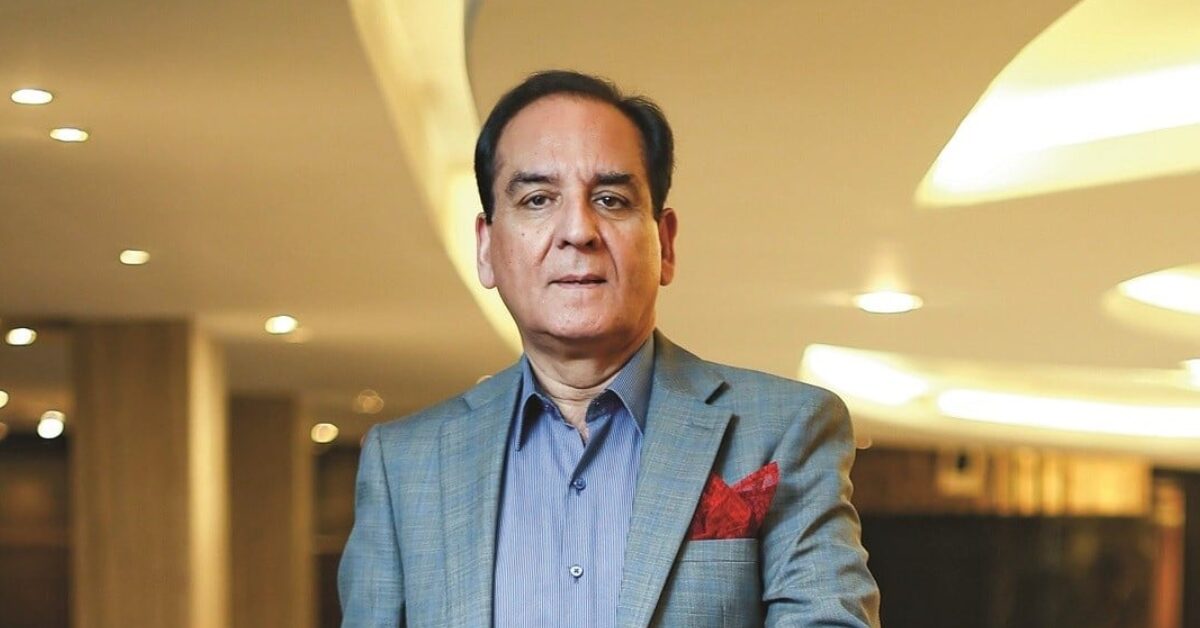
HAI’s K B Kachru urges structural reforms ahead of Union Budget 2026–27
As the government prepares the Union Budget 2026–27, the Hotel Association of India (HAI), the apex body representing Indian hotels, has urged policymakers to prioritize hospitality-oriented reforms to unlock the sector’s full economic potential. With its immense ability to generate both direct and indirect employment, the hotel industry is positioned as a vital contributor to Viksit Bharat – India Vision 2047 through job creation, GDP growth, foreign exchange earnings, and inclusive economic development.
Infrastructure Status: A Long-Pending Demand
The foremost recommendation from HAI is the granting of infrastructure status to the hotel sector. This recognition would enable hotels to access benefits such as:
- Lower power tariffs
- Rationalized property taxes
- Access to affordable long-term financing
- Utility tariff parity with other recognized industries
While several states have accorded “industry status” to tourism and hospitality, HAI notes that implementation remains slow, inconsistent, and missing in other regions, delaying sectoral progress.
Direct Tax Recommendations for Stronger Reinvestment
HAI has sought targeted direct-tax interventions to strengthen reinvestment cycles within the sector. The most significant recommendation is:
- Enhanced depreciation rate for hotel buildings, similar to plant and machinery, to support modernization and expansions.
Such measures would enable hotels to upgrade infrastructure, align with global service standards, and attract more domestic and international travellers.
GST Review Urgently Needed to Sustain Investment
Though GST falls outside formal pre-budget discussions, HAI has highlighted urgent concerns:
- Recent GST reduction for room tariffs up to ₹7,500 without ITC availability is negatively impacting hotel profitability and investor sentiment.
- The ₹7,500 threshold must be reviewed regularly, ideally linked to inflation.
- HAI strongly recommends delinking GST on food and beverage services from room tariff slabs to remove inconsistencies.
- The association has also requested IGST clarity for MICE, a key driver of tourism and business travel.
Without corrective action, HAI warns that the current GST structure could disincentivize new investments and impede sector growth.
Ease of Doing Business: Need for Streamlined Processes
To improve operational efficiency, HAI advocates for major structural reforms aimed at reducing bureaucratic hurdles:
- Introduction of a single-window clearance system
- Reduction in the number of licenses, approvals, and NOCs
- Removal of the requirement for multiple liquor licenses within a single hotel
Simplifying compliance would help hotels operate more efficiently and encourage new entrants into the sector.
Support for Sustainability and Foreign Trade Policy
HAI further recommends:
- Incentives for sustainable hospitality practices
- Tax discounts for newly established hotels
- Reduction in customs duties on select products
- Revival of benefits under the Service Exports from India Scheme (SEIS)
These incentives would help Indian hotels become globally competitive while adopting environmentally responsible practices.
Need for an Empowered National Tourism Board
To ensure cohesive long-term planning, HAI has reiterated the need for an independent National Tourism Board under the National Tourism Policy. This board must include:
- Strong private-sector representation
- Experienced hospitality professionals
- Strategic leadership to drive national tourism initiatives
Such a body would play a crucial role in policy coordination, marketing, and developing a unified tourism vision for India.
Skilling and Workforce Development: A Vital Priority
With the sector set for rapid expansion, HAI emphasizes the need to develop India’s talent pool through:
- Skill development programmes
- Robust training pipelines
- Government–industry collaboration
- Upskilling initiatives for career advancement
A future-ready workforce will be essential to meet rising service expectations and ensure global competitiveness.
Conclusion: A Pivotal Moment for India’s Hospitality Sector
HAI’s recommendations highlight the urgent need for structural reforms that support growth, investment, and workforce development. As India moves toward its 2047 vision, the hotel sector stands ready to play a central role provided the right policy frameworks are put in place. The upcoming Union Budget 2026–27 offers a crucial opportunity to unlock this transformative potential and accelerate India’s journey toward becoming a world-leading tourism and hospitality hub.