




Hotel Art Collections: Why Luxury Hotels Invest in Art Galleries
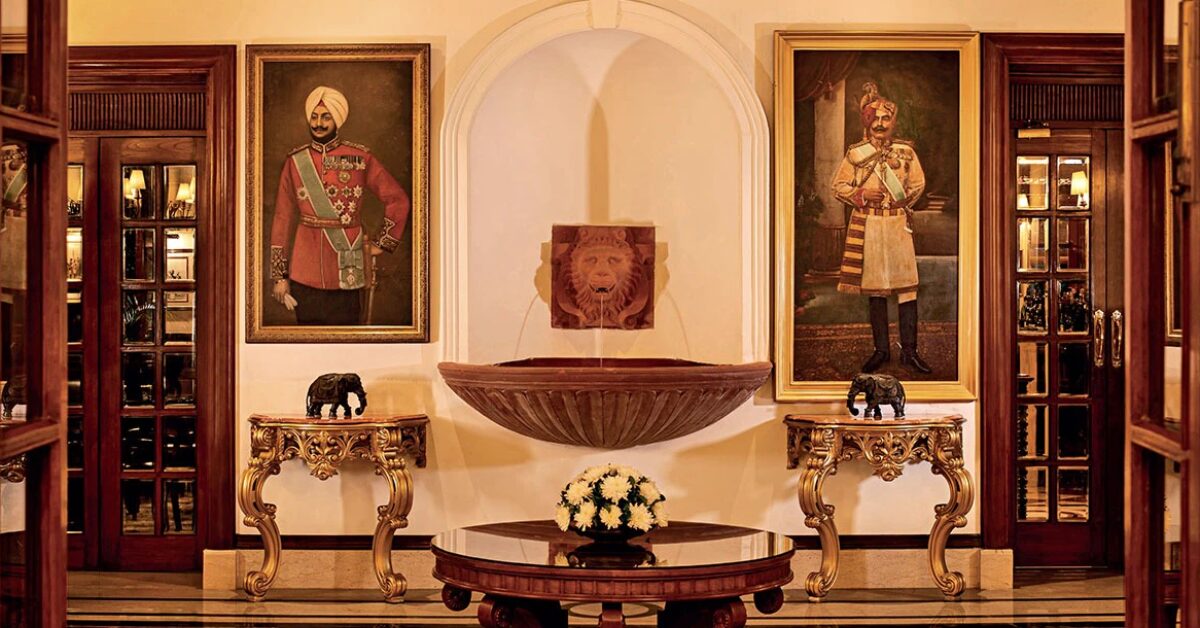
Hotel Art Collections: Why Luxury Hotels Invest in Art Galleries
Luxury hotels today are no longer just places to stay-they are immersive spaces designed to inspire and engage. One of the most compelling trends in high-end hospitality is the integration of curated art collections within hotel spaces.
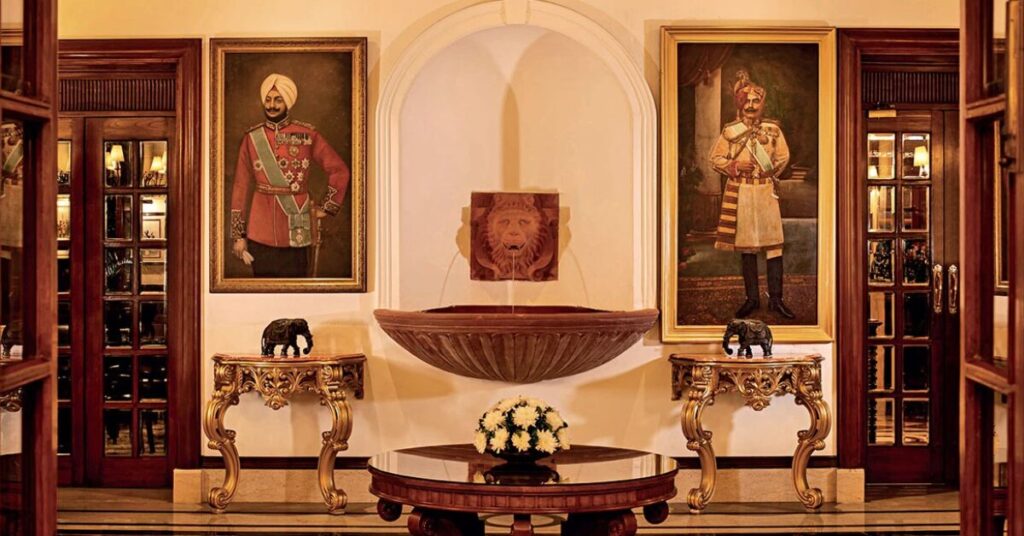
From sculptures in lobbies to contemporary paintings in suites, art has become a defining feature of many premium properties. For luxury hotels, investing in art is not merely about decoration—it is a strategic business decision that enhances brand identity and guest experience.
Why Hotels Are Investing in Art
Art collections in hotels serve multiple purposes beyond aesthetics. They contribute to storytelling, cultural engagement, and even financial value.
Enhancing Guest Experience
Art transforms a hotel into a cultural destination. Guests can explore curated pieces without leaving the property, making their stay more enriching and memorable.
Building a Unique Identity
In a competitive market, art helps hotels differentiate themselves. A distinctive collection can reflect the hotel’s personality, location, and philosophy.
Increasing Brand Value
Luxury travelers increasingly seek experiences rather than just accommodation. Art adds a layer of sophistication that enhances the perceived value of a property.
Hotels as Living Galleries
Many luxury properties are now positioning themselves as living art galleries, offering guests access to carefully curated exhibitions.
Rotating Exhibitions
Some hotels host rotating exhibitions featuring local and international artists. This keeps the experience fresh and encourages repeat visits.
Artist Collaborations
Hotels often collaborate with artists to create exclusive installations or site-specific works that reflect the destination’s culture.
Art Tours and Experiences
Guided art tours, workshops, and interactive sessions allow guests to engage more deeply with the collection.
Supporting Local Art and Culture
Investing in art also allows hotels to support local artists and cultural communities. By showcasing regional talent, hotels contribute to preserving and promoting cultural heritage.
This approach not only benefits artists but also offers guests a more authentic connection to the destination.
Financial and Investment Value
Art collections can also serve as long-term investments. High-value artworks may appreciate over time, adding financial value to the property.
Additionally, art-driven branding can lead to:
- Higher room rates
- Increased guest loyalty
- Enhanced global recognition
The Role of Design and Architecture
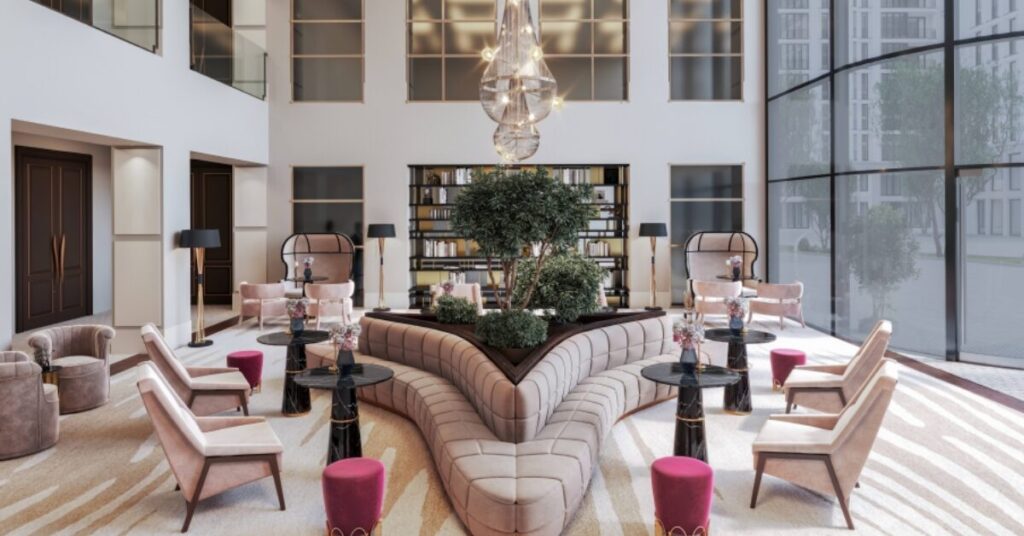
Art in hotels is often integrated with architecture and interior design. From statement installations to subtle details, the placement of art is carefully planned to create a cohesive environment.
This combination of art and design enhances the overall ambiance and reinforces the hotel’s identity.
Challenges in Curating Hotel Art
While art collections offer many benefits, they also require careful planning and management.
Challenges include:
- High acquisition and maintenance costs
- Ensuring relevance and diversity
- Balancing artistic expression with commercial appeal
Hotels must work with curators and experts to maintain quality and consistency.
The Future of Art in Hospitality
As experiential travel continues to grow, art will play an even greater role in hospitality. Future trends may include digital art installations, immersive exhibitions, and interactive guest experiences.
Conclusion
The business of hotel art collections reflects a broader shift toward experience-driven hospitality. By investing in art, luxury hotels are creating spaces that inspire, educate, and connect guests with culture.
In today’s travel landscape, a hotel stay is no longer just about comfort-it is about creativity, storytelling, and cultural immersion.