



Hotel Lobbies as Social Hubs: The Rise of Digital Nomad Spaces
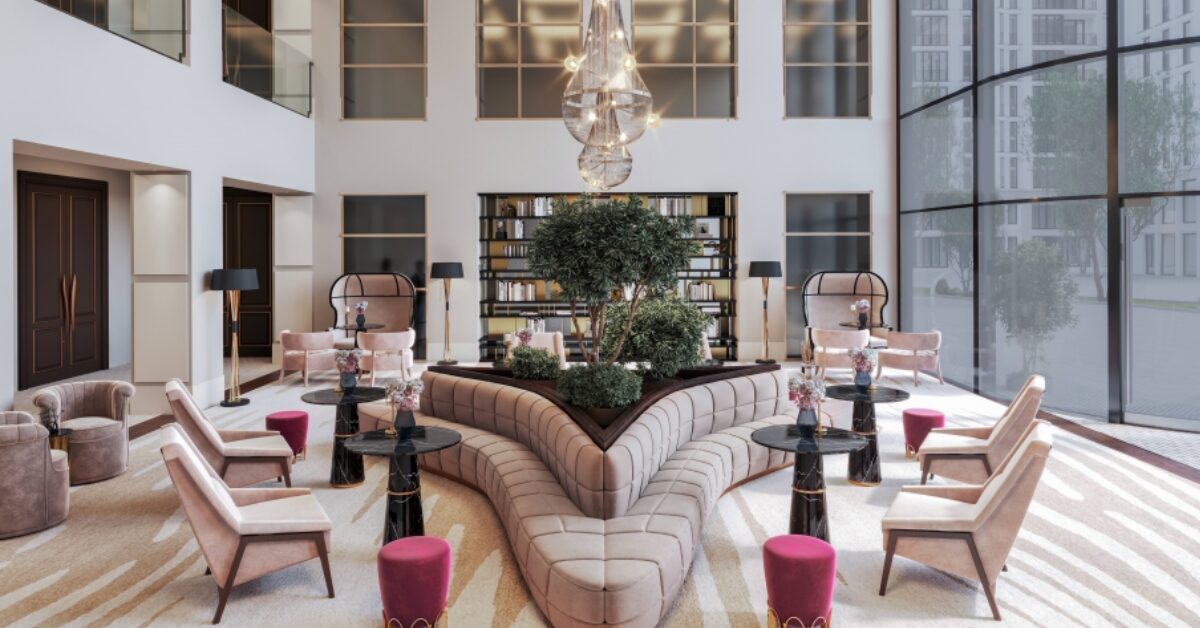
Hotel Lobbies as Social Hubs: The Rise of Digital Nomad Spaces
Traditionally, hotel lobbies were designed as transitional spaces areas where guests checked in, waited briefly, and moved on. Today, however, these spaces are undergoing a dramatic transformation.
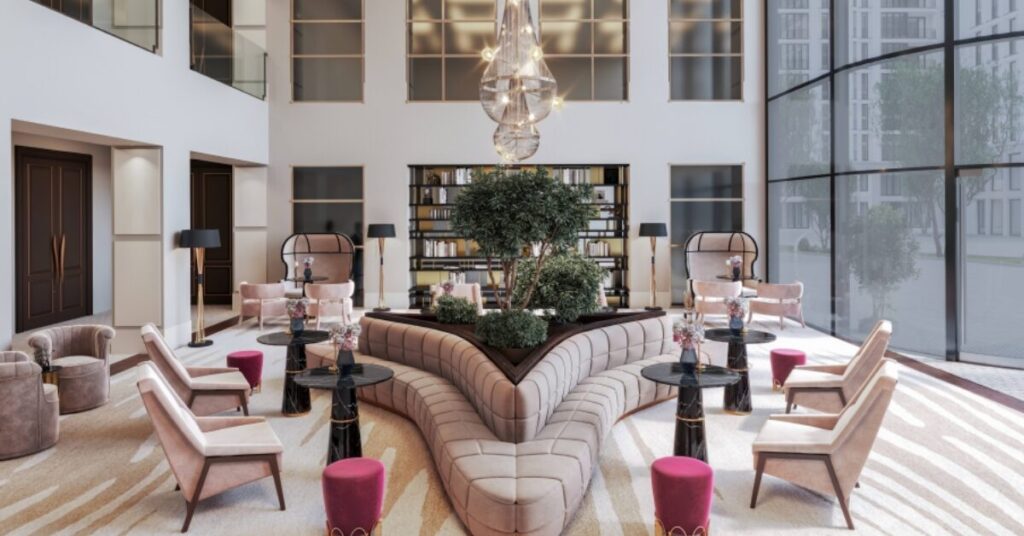
With the rise of remote work and digital nomad lifestyles, hotel lobbies are becoming vibrant social and co-working hubs. They are no longer just entry points but destinations in themselves, designed to encourage interaction, productivity, and community.
The Rise of the Digital Nomad
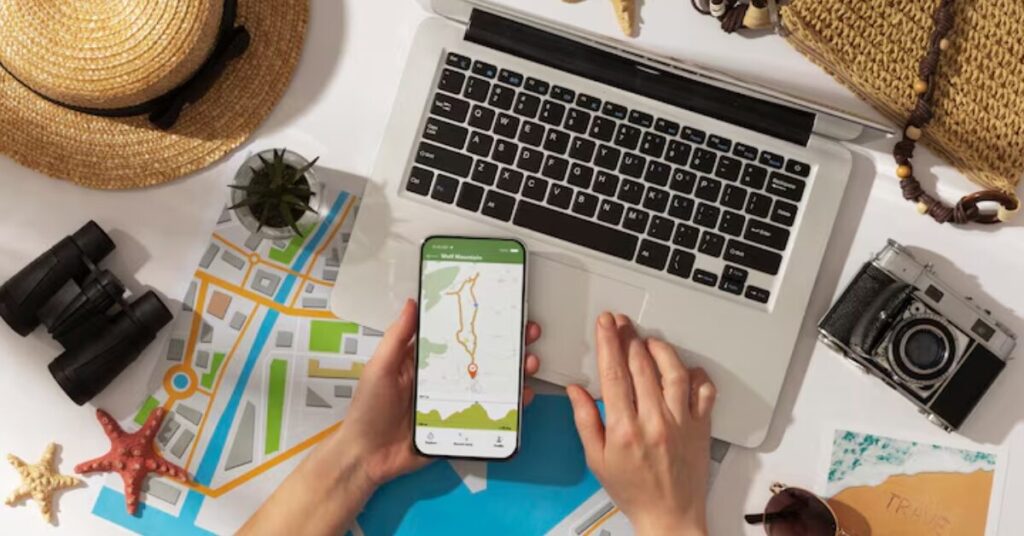
The global workforce is changing. More professionals are embracing flexible work arrangements, allowing them to travel while continuing their careers.
Digital nomads typically look for:
- Reliable high-speed internet
- Comfortable workspaces
- Social interaction opportunities
- Access to food, coffee, and amenities
Hotels are recognizing this shift and adapting their spaces to meet these needs.
Redesigning the Modern Lobby
Hotels are reimagining lobby spaces to function as multi-purpose environments.
Co-Working Areas
Many hotel lobbies now feature dedicated co-working zones equipped with:
- Work desks and ergonomic seating
- Charging stations and high-speed Wi-Fi
- Quiet areas for focused work
Social Spaces
In addition to work areas, lobbies include lounges, cafés, and communal tables that encourage networking and interaction among guests.
Flexible Design
Modern lobbies are designed to transition seamlessly from workspaces during the day to social venues in the evening.
Blending Work and Leisure
The concept of “bleisure” travel a blend of business and leisure is driving this transformation. Digital nomads often seek environments where they can balance productivity with relaxation.
Hotel lobbies now offer:
- Coffee bars and casual dining
- Live events and networking sessions
- Comfortable seating for informal meetings
This combination creates a dynamic environment that supports both work and social engagement.
Building Communities Within Hotels
One of the key advantages of lobby-based workspaces is the sense of community they foster.
Travelers can:
- Connect with like-minded professionals
- Share experiences and ideas
- Collaborate on projects
For solo travelers, this social aspect is particularly valuable, helping reduce isolation while traveling.
The Role of Technology
Technology plays a crucial role in supporting digital nomads within hotel spaces.
Hotels are investing in:
- High-speed internet infrastructure
- Mobile work solutions
- Digital concierge services
- App-based bookings for workspaces and events
These features ensure a seamless experience for remote workers.
Benefits for Hotels
Transforming lobbies into social hubs offers several advantages for hotels.
- Increased guest engagement
- Higher revenue from food and beverage services
- Attraction of long-stay and repeat guests
- Stronger brand positioning among younger travelers
By catering to digital nomads, hotels can tap into a growing market segment.
The Future of Hotel Lobbies
As remote work continues to expand, hotel lobbies are likely to become even more sophisticated. Future developments may include:
- Fully integrated co-working memberships
- Hybrid hospitality-work environments
- Partnerships with global remote work platforms
These innovations will further blur the line between accommodation and workspace.
Conclusion
The transformation of hotel lobbies into social clubs reflects the changing nature of travel and work. By creating spaces that support productivity and community, hotels are redefining the guest experience.
For digital nomads, the hotel lobby is no longer just a place to pass through it is a place to work, connect, and belong.