




HRAWI Seeks GST Reform to Safeguard Hospitality Growth
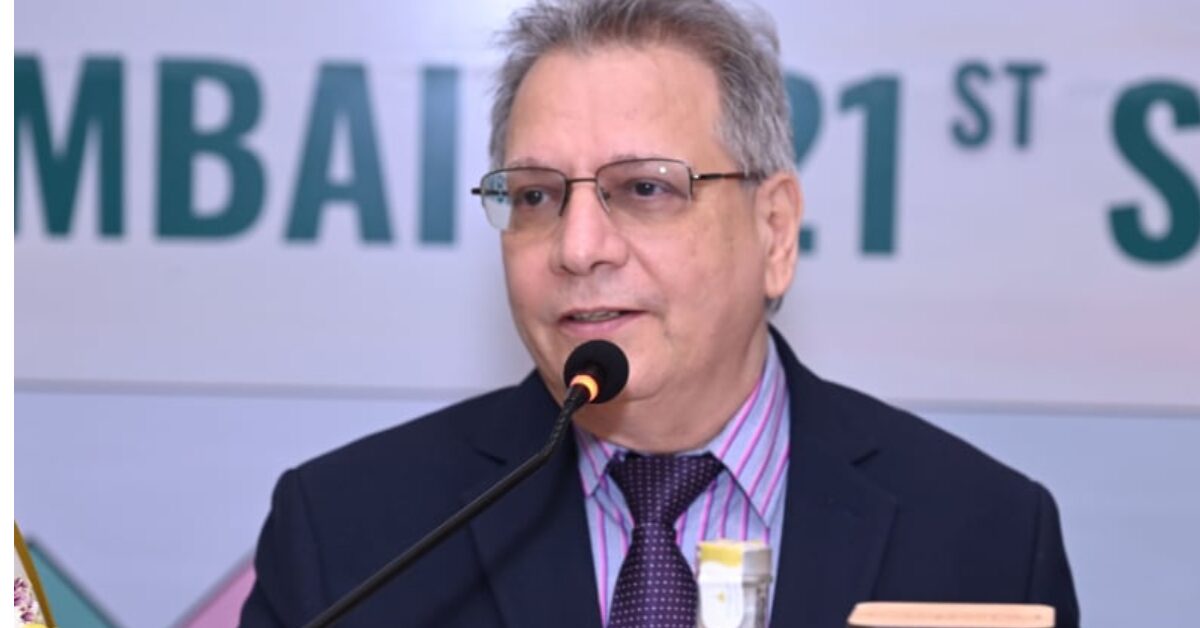
HRAWI Seeks GST Reform to Safeguard Hospitality Growth
The Hotel And Restaurant Association (Western India) – HRAWI has made a strong appeal to the Hon’ble Prime Minister for urgent rationalisation of the newly announced GST structure for the hospitality industry. While the association has welcomed the Government’s intent to simplify GST following the 56th GST Council Meeting, it has cautioned that certain provisions could adversely affect business viability, new investments, and tourism affordability in India.
Concerns Over Removal of Input Tax Credit (ITC)
One of the core issues highlighted by HRAWI is the removal of Input Tax Credit (ITC) on hotel rooms priced below ₹7,500, which are now proposed to be taxed at 5% GST without ITC. The association emphasized that this move contradicts the foundational principle of GST ensuring seamless credit flow and avoiding cascading taxes.
Without ITC, hotel operational costs are expected to rise sharply, ultimately increasing the burden on consumers. This could deter fresh investments and reduce India’s competitiveness in the global tourism market.
Industry Leaders Raise Alarm
Jimmy Shaw, President of HRAWI, expressed concerns over the implications of the decision. “While we appreciate the Government’s intent to simplify GST and offer lower rates to end-consumers, the absence of ITC reverses years of progress towards a seamless tax-credit system. This will inflate costs for hotels, particularly those operating in the budget and mid-scale segment and could make accommodation less competitive compared to neighbouring countries,”
Key Challenges Identified by HRAWI
HRAWI’s representation outlined several challenges that hotels are likely to face due to the removal of ITC:
- Increased Cost of Operations – Denial of ITC will raise hotel set-up costs by at least 10%, as credits won’t be available on inputs like equipment, linen, crockery, and furniture.
- Leased Premises Impact – Hotels operating from leased premises, where rents account for 20–25% of operational costs, will be disproportionately hit.
- F&B Services Linkage – Linking food and beverage services with fluctuating room tariffs is impractical in today’s era of dynamic pricing.
Proposed Solutions by HRAWI
To strike a balance between consumer benefit and industry sustainability, HRAWI has suggested:
- 5% GST with 50% ITC benefit, similar to banking provisions, OR 18% GST with full ITC on two-thirds of room value under ₹7,500.
- Delinking F&B services from room tariffs, giving providers the option to choose between 5% GST without ITC or 18% GST with ITC.
Making the composition scheme mandatory for F&B services with annual turnover up to ₹5 crores.
Dilip Kothari, Hon. Tax Advisor at HRAWI, noted: “To balance consumer benefits with industry sustainability, we are proposing 5 per cent GST with 50 per cent ITC benefit similar to provisions for banking institutions, or 18 per cent GST with full ITC on two-thirds of the value for rooms under Rs.7,500/-. We also strongly recommend the delinking of F&B Services from room tariffs and allow F&B service providers to choose between 5 per cent GST without ITC or 18 per cent GST with full ITC. Lastly, make the composition scheme mandatory for F&B services with an annual turnover of up to Rs.5 crores,”
Hospitality Sector: A Key Driver of India’s Economy
The hospitality sector plays a pivotal role in India’s economy, contributing 5.8% to GDP and supporting over 32 million jobs. HRAWI has cautioned that the proposed GST changes could undermine government initiatives to boost tourism and hinder progress towards Vision 2047, which envisions India as a global tourism leader.
Call for a Balanced Approach
Highlighting the larger economic significance, Jimmy Shaw added: “India’s tourism and hospitality sector is one of the largest job creators and a key pillar of the Hon’ble Prime Minister’s vision of Viksit Bharat 2047. The reduction in GST rates is a positive step towards enhancing India’s competitiveness as a tourist destination. However, the withdrawal of ITC negates these benefits by embedding taxes into costs, which will eventually be passed on to consumers. We urge the Government to reconsider the decision and engage in constructive dialogue with industry stakeholders to ensure a balanced approach that supports both growth and affordability. GST rationalisation is not only an industry imperative but also an enabler for inclusive economic growth. HRAWI remains committed to collaborating with the Government to develop a tax framework that promotes growth and innovation in the hospitality sector.”
HRAWI reaffirmed its commitment to working closely with the Government to design a progressive and sustainable tax framework that not only fuels industry growth but also makes Indian tourism more affordable and globally competitive.