




India Is Poised for Its Most Powerful Hospitality Boom Yet, Says Puneet Chhatwal
India Is Poised for Its Most Powerful Hospitality Boom Yet, Says Puneet Chhatwal
As India’s hospitality sector enters a decisive new phase, few voices offer clearer perspective than Puneet Chhatwal.
The Managing Director and CEO of IHCL outlines why the coming years will redefine scale, speed, and structure across Indian hospitality.
From infrastructure-led growth and new airports to rising tier-2 and tier-3 destinations, his outlook captures a sector at an inflection point.
Here, Chhatwal lays out what the road to 2030 could and must look like for Indian hospitality.
A CEO’s View of India’s Hospitality Inflection Point
“India’s hospitality sector has fundamentally shifted. The last decade created the conditions for what we are now witnessing: Sustained high demand, faster pace of new supply addition, infra-led emerging destinations and evolving hospitality formats and business models. We are in an inflection phase where the sector is redefining what’s possible.”
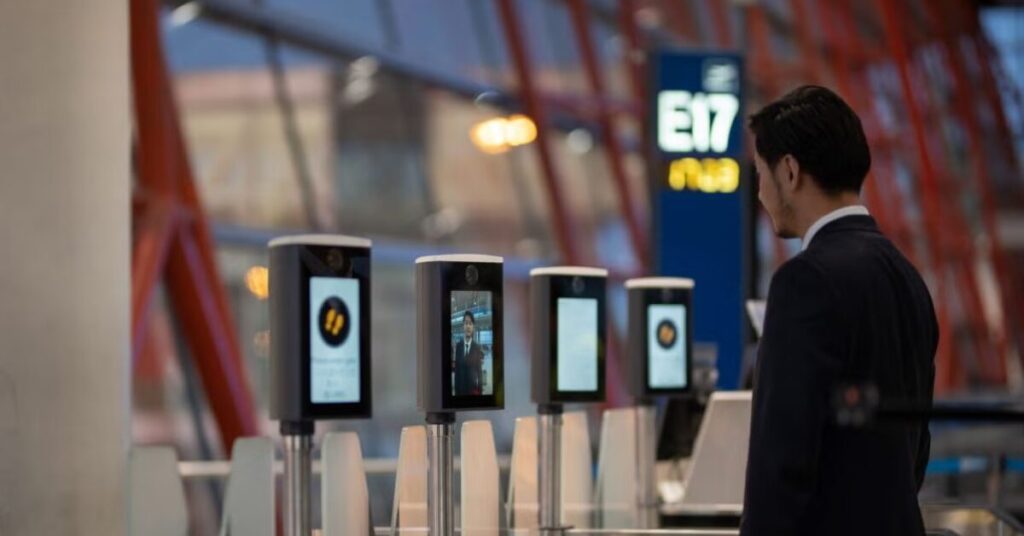
“India will continue to be among the fastest-growing major economies, on its path to becoming the world’s third-largest global economy. 2026 will see the opening of new airports in key cities in India, with Jewar Airport in NCR and Navi Mumbai. These new airports and recent expansion of capacity in Bengaluru, Goa and Hyderabad have boosted the travel infrastructure in the country’s key gateway cities.”
The Next Big India Hospitality Story
The road to 2030 will look different from what we have experienced so far. India’s hospitality sector remains underpenetrated and presents a strong opportunity for sustained growth across all segments. Over the next five years, an additional 100,000 branded hotel rooms are expected to come on stream, taking the country’s total branded supply to 300,000 rooms. This milestone will be reached in half the time it took to add the first 100,000 rooms with the upcoming capacity spread across segments from economy to luxury and across destinations of metros as well as emerging markets. The rise of tier-2 and tier-3 cities destinations is attracting both capital and travellers, driving regional development.
Rewriting The Growth Curve
“The permanent shift in consumer behaviour with travel becoming a non-discretionary spend will sustain the strong demand momentum. This, however, requires the support of favourable policy framework, including infrastructure status for the sector, industry status across all states and marketing India as a global destination. The private sector, in turn, will need to develop the needed talent pool, embed technology into business processes and build a sustainability-first approach to both hotel development and operations. A concerted public-private partnership is necessary to unlock the potential of India’s Travel & Tourism sector, making it a significant contributor to the country’s GDP growth and employment generation.”