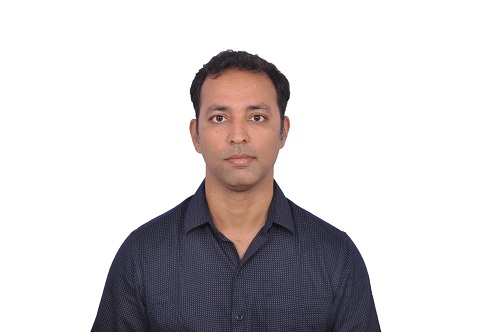



Interview: Retd. Lt. Col. Dr. Praveen Reddy, Director, SVHMS
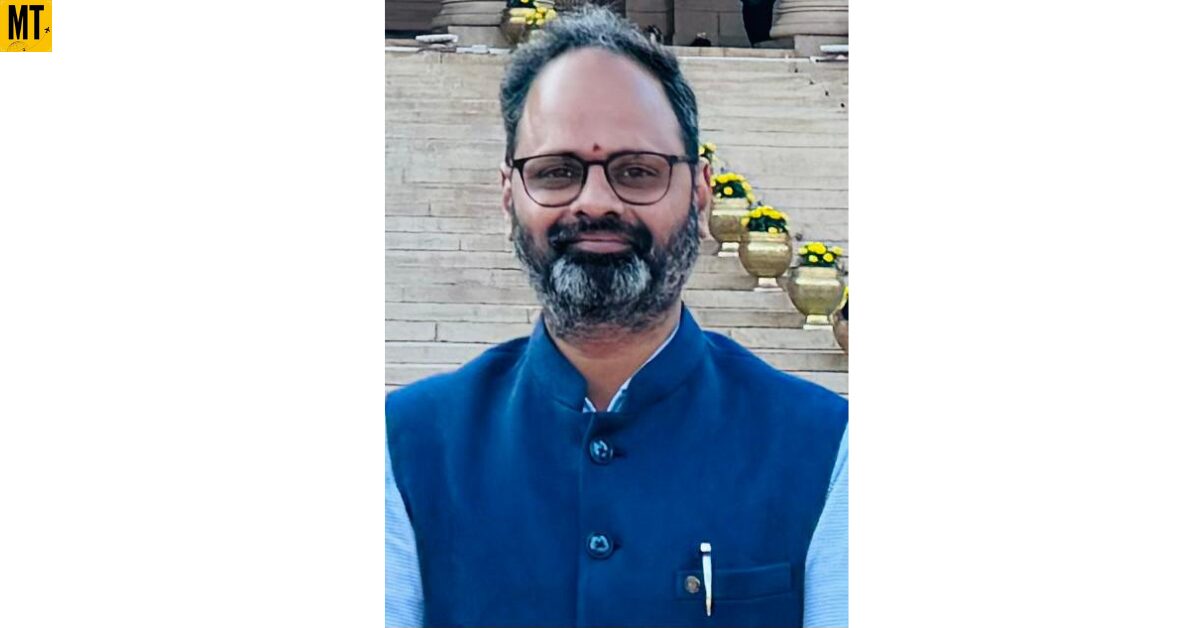
Interview: Retd. Lt. Col. Dr. Praveen Reddy, Director, SVHMS
Swami Vivekanand Health Mission Society (SVHMS) has emerged as a critical pillar of healthcare support across India’s most challenging pilgrimage and high-altitude regions, particularly along the Char Dham Yatra routes in Uttarakhand. Founded on the philosophy of “Nar Sewa Narayan Sewa,” the organisation combines medical service with social responsibility, ensuring that pilgrims and remote hill communities have access to timely, quality healthcare. At the heart of this mission is Dr. Praveen Kumar Reddy, a retired Indian Army officer whose post-military journey transformed into a lifelong commitment to serving the unreached.
Led by Dr. Praveen Kumar Reddy, a retired Indian Army officer, SVHMS was born from his first hand experience of the lack of healthcare in remote Himalayan regions. Under his leadership, hospitals were established at Badrinath, Kedarnath, Gangotri, and Haridwar, providing free emergency and medical care along key pilgrimage routes and significantly reducing pilgrim fatalities.
In this exclusive interaction with Motiverge Travel, Dr. Reddy shares insights on strengthening healthcare along pilgrimage routes, managing rising medical demand during the Char Dham Yatra, and SVHMS’s future expansion plans to ensure safer, more responsible travel in high-altitude regions.
Below are the excerpts from our conversation.
- Could you share what inspired your transition from military service and medicine to building a healthcare mission deeply connected with travel and pilgrimage routes?
My journey has always been driven by service, whether in uniform or in medicine. During my military tenure and later volunteering in remote hospitals, I witnessed firsthand the absence of medical care along pilgrimage routes. The suffering of pilgrims and local communities made it clear that healthcare had to travel to where people were. Inspired by “Nar Sewa Narayan Sewa,” I chose to dedicate my life fully to this mission. SVHMS was born from the belief that faith journeys deserve safety and dignity.
2. How have strategically located hospitals at Badrinath, Kedarnath, Gangotri, and Haridwar improved safety for pilgrims and travellers?
These hospitals ensure immediate medical access in regions where delays can be fatal. By placing facilities directly along Char Dham routes, emergency response time has reduced drastically. Pilgrims now receive timely treatment for altitude sickness, cardiac issues, trauma, and dehydration. The presence of ICUs, ambulances, and trained teams has created a safety net. This has significantly increased confidence among travellers and authorities alike.
- SVHMS has reportedly helped reduce pilgrim fatalities significantly. What key interventions made the biggest difference?
Early detection and rapid response were critical. Round-the-clock emergency care, pre-emptive screening for high-risk pilgrims, and oxygen support at high altitudes saved many lives. Mobile medical camps and real-time coordination with authorities further strengthened response. Digital support through the Char Dham Sathi App ensured faster connectivity. Together, these measures helped reduce mortality by over 90%.
- With the growing footfall on Char Dham routes every year, how does SVHMS prepare medically for such large-scale seasonal travel movement?
Preparation begins months in advance with manpower planning, volunteer doctor mobilisation, and equipment readiness. Temporary medical camps, ICU scaling, and ambulance networks are strengthened before the Yatra season. We also conduct health awareness drives for pilgrims. Coordination with government agencies ensures seamless operations. Our digital tools help manage patient flow efficiently during peak periods.
- Could you highlight the impact of the 2025 Pilgrim Relief Initiative in terms of emergencies handled and lives supported?
The 2025 initiative significantly expanded emergency coverage during peak pilgrimage months. Thousands of medical emergencies ranging from cardiac distress to altitude sickness were handled promptly. Many critical cases were stabilised before evacuation, preventing fatalities. Free consultations and medicines supported vulnerable pilgrims. The initiative reinforced trust in organised healthcare along sacred routes.
- Beyond healthcare, SVHMS actively promotes safe and responsible travel. What role does awareness about altitude sickness, waste management, and environmental sensitivity play in your mission?
Healthcare is inseparable from environmental responsibility in fragile ecosystems. Educating pilgrims about altitude acclimatisation prevents avoidable emergencies. Awareness on waste management protects both health and ecology. Responsible travel reduces strain on local infrastructure. These efforts ensure sustainability of pilgrimage routes. Our mission extends to safeguarding both people and the environment they traverse.
- SVHMS also works to reduce migration from hill regions. How does healthcare infrastructure contribute to livelihood generation and community stability?
Access to healthcare gives communities confidence to stay rooted. Hospitals create local employment for youth, nurses, technicians, and support staff. Supporting infrastructure boosts allied livelihoods. Health security improves overall quality of life. When basic needs are met locally, migration reduces naturally. Healthcare becomes a foundation for long-term stability.
- What role do local youth and volunteers play in sustaining healthcare services along travel corridors?
Local youth act as the backbone of our operations. They assist medical teams, manage logistics, and guide pilgrims during emergencies. Volunteers bridge cultural and language gaps. Medical students and professionals bring energy and expertise. Their involvement builds community ownership. This collective participation ensures continuity and resilience.
- What challenges come with running a free healthcare system across such difficult terrains, and how are they managed?
Harsh climatic conditions, rough terrain, and poor connectivity are some of the challenges that exist. Logistics and evacuation can sometimes be a problem. These are dealt with by proper planning, collaboration, and technology. Manpower shortages are filled by volunteer groups. Donations help keep the work going. Flexibility is the essence of survival in such areas.
- What message would you like to give to travellers and pilgrims regarding health preparedness before undertaking high-altitude journeys?
Devotees are advised to be aware of their physical limitations and medically prepare for the journey. Pre-travel health screenings are a must, and more so for heart and lung patients. Acclimatization and staying hydrated are not to be overlooked. Travel responsibly and report to the authorities if any symptoms occur. Faith and safety must coexist.
- How can civil society, travellers, and institutions support initiatives like SVHMS?
Support can come through donations, volunteering, and CSR partnerships. Medical professionals can contribute time and expertise. Institutions can fund infrastructure and digital health initiatives. Travellers can spread awareness and follow responsible travel practices. Collective participation strengthens the mission. Every contribution helps save lives.
- Finally, how do you see the role of healthcare evolving as an essential pillar of responsible travel in India?
Healthcare will be an integral part of travel planning and not an afterthought. As travel grows into more remote areas, healthcare readiness will set the benchmarks for safety. Comprehensive healthcare systems will promote sustainable travel. Technology will amplify the impact. Responsible travel must focus on human welfare. Healthcare will be its backbone