


Interview: Romil Pant, EVP & Business Head – Leisure Travel, Thomas Cook India
Interview: Romil Pant, EVP & Business Head – Leisure Travel, Thomas Cook India
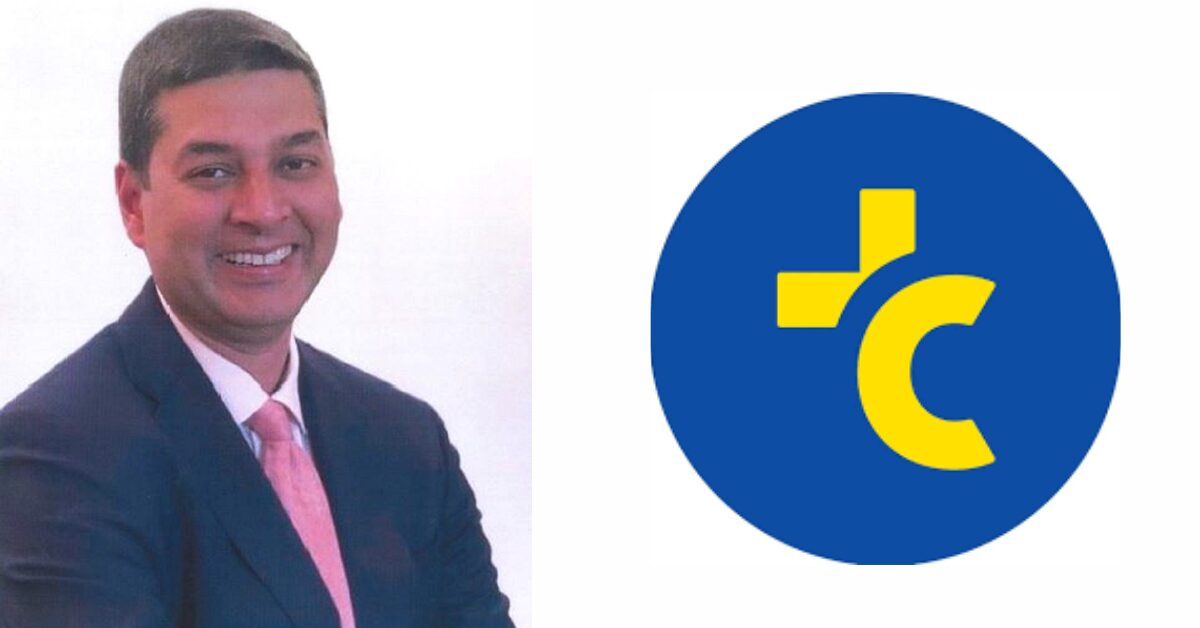
With nearly three decades of leadership across telecom, financial services, and travel, Romil Pant brings a unique multi-industry perspective to the tourism sector. He began his career in telecom in 1996 before moving into financial services, where he rose to Country Head for Debt Management at Citigroup and later held the same role at HSBC. In 2008, he expanded his portfolio at Future Capital Holdings (now IDFC First Bank) by heading Sales and Marketing for lending products.
In 2011, Romil Pant transitioned into travel with MakeMyTrip as Head of Holidays Sales and Operations for both outbound and domestic travel. Since 2017, he has been steering Thomas Cook India’s Leisure business as its Business Head, carrying P&L responsibility and leading a nationwide team across sales, operations, customer service, product development, and tour management.
Known for his expertise in people and product management, building high-performance teams, and driving customer-centric change, Pant has played a pivotal role in shaping India’s leisure travel strategies.
In an exclusive interaction with Motiverge Travel, Romil Pant, EVP & Business Head – Leisure Travel, Thomas Cook India, shares his vision for the future of leisure travel- covering evolving traveller behaviour, the rise of phygital holiday planning, demand shifts shaping 2025, the surge in experiential travel, tourism policies, industry collaborations, destination trends, and Thomas Cook’s focus on responsible travel and sustainability.
Below are excerpts from the interview:
You joined Thomas Cook India in 2017 to lead the leisure business across outbound and domestic portfolios. How have your professional expertise and past experiences shaped your leadership approach at the company?
My diverse professional background in sales, marketing, product, operations, and credit management across telecom, financial services, and travel has been pivotal in shaping his strategic and dynamic leadership approach at Thomas Cook India. My expertise has enabled him to drive productivity, innovation, and results across the leisure business, with an emphasis on omni-channel growth, team leadership, and customer-centricity.
You’ve highlighted the importance of “phygital” journeys. What does an ideal phygital holiday planning experience look like at Thomas Cook today?
At Thomas Cook India, we see the future of travel as phygital, where the convenience of digital tools meets the reassurance of personal expertise. For many customers, the journey begins online through our website, app, and AI-powered chatbot Tacy, which offer inspiration, personalized recommendations, and a seamless way to explore options. At the same time, for high-value or complex itineraries, travellers continue to prefer speaking to our experts in person. Our retail outlets provide that human touch, helping customers with reassurance, guidance, and customised solutions. The ideal phygital experience combines the ease of digital discovery with the trust that comes from personal interaction, creating a smooth journey from research and planning right through to booking and on-trip assistance.
Thomas Cook & SOTC’s 2025 India Holiday Report shows travellers taking more holidays, with bigger budgets and an experience-first mindset. What three demand shifts are you planning around right now?
We are seeing three significant shifts in how Indians are choosing to travel. The first is a clear move towards experience-led travel, with customers seeking immersive journeys that go beyond traditional sightseeing. Gastronomy trails, wellness retreats, and cultural festivals are becoming increasingly popular as travellers look to connect more deeply with destinations. The second shift is premiumisation. Our report shows that over a third of travellers are now choosing upscale stays, luxury cruises, and curated private experiences, indicating a growing willingness to invest in comfort and exclusivity. Finally, shorter and more frequent breaks are on the rise, with travellers making the most of long weekends and public holidays to plan quick getaways. Our strategy is aligned to these shifts and we are continually evolving our products across short-haul, long-haul, and niche segments to deliver more personalised and high-value experiences.
Event-led and experiential travel are surging. Which niches are scaling fastest from enquiry to booking?
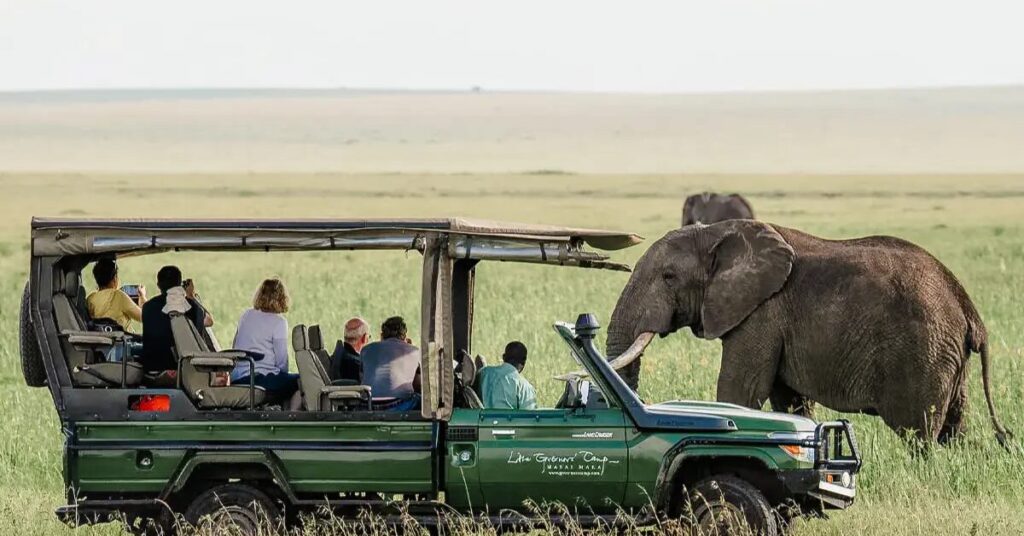
We are seeing strong growth across several niches. Event tourism has gained remarkable momentum, with international music concerts, sporting events, and cultural festivals driving demand. Spiritual travel continues to grow as well, spanning both traditional pilgrimage routes and wellness-driven retreats. Adventure and outdoor travel is another high-growth area, with safaris in Africa, biking trips in Spiti, and self-drive holidays in Australia and New Zealand becoming increasingly popular. Gastronomy-led travel is also attracting more attention, with travellers keen to explore destinations through their culinary traditions. Across these niches, the common theme is the demand for unique, memorable, and personalised experiences that go beyond standard itineraries.
What policies and initiatives introduced by the Ministry of Tourism do you believe have had the most impact in supporting tourism development in India?
Several initiatives have had a meaningful impact on tourism development. The expansion of the e-Visa facility has made inbound and outbound travel much simpler and more accessible. Campaigns like Incredible India 2.0 and Dekho Apna Desh have played a key role in promoting domestic tourism and raising awareness of India’s diverse offerings. Infrastructure development, particularly the improvement of airports, highways, and connectivity to Tier II and Tier III cities, has made many destinations easier to reach. Focused initiatives around spiritual circuits and heritage tourism have also opened up new avenues for niche travel. Taken together, these efforts have created an enabling environment that supports the growth of both domestic and international tourism.
Partnerships play a key role in expanding travel experiences. How does Thomas Cook India collaborate with airlines, hotels, destination management companies, or tech partners to create more value for customers?
Partnerships are central to our approach at Thomas Cook India. We work closely with airlines to secure preferred pricing, blocked inventory, and improved connectivity, which allows us to offer our customers better choices and value. With hotel partners, we curate exclusive stays and value-added inclusions that enhance the overall travel experience. Our collaborations with destination management companies give us access to authentic, on-ground insights that help us deliver experiences deeply rooted in local culture. On the technology side, partnerships enable us to strengthen our phygital ecosystem, from AI-driven personalisation to seamless booking and payment solutions. These relationships allow us to deliver distinctive products and superior value to our customers.
What key travel and tourism trends do you expect will dominate the Indian market in the coming years?
We anticipate five trends shaping the market:
- Experiential and phenomenon-based travel (Northern Lights, Cherry Blossoms, Great Migration)
- Premium and luxury holidays, including boutique stays, cruises, and private experiences
- Spiritual and wellness tourism, cutting across demographics
- Cruise holidays, driven by simplified travel logistics
- Rise of Tier II & III travellers, reflecting broader aspirational demand.
These trends indicate a more diverse, aspirational, and value-conscious Indian traveller base.
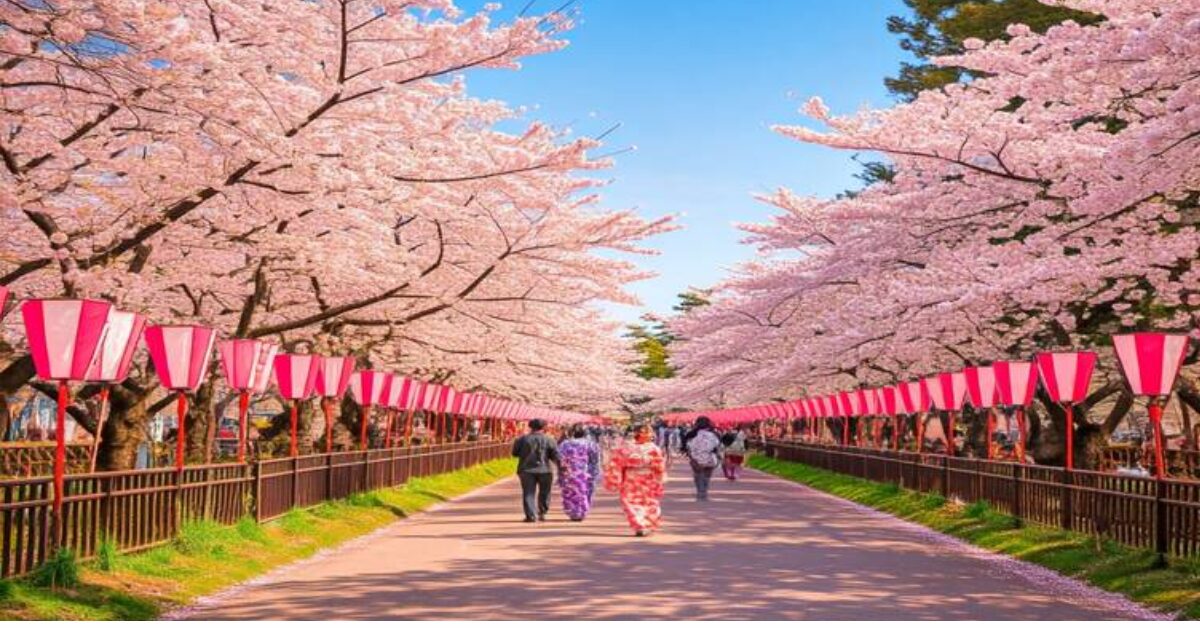
Which destinations- both within India and overseas- are currently seeing the strongest demand from Indian travellers, and what’s driving this shift?
Internationally, destinations like Japan, South Korea, Thailand, Singapore, Vietnam, Malaysia, and Dubai–Abu Dhabi are leading demand, largely due to improved visa processes, proximity, and the unique experiences they offer. Wildlife and outdoor destinations such as South Africa and Kenya are gaining traction as well, especially during the migration season, while cruise holidays in Europe and Southeast Asia are emerging as a preferred option for many. Within India, perennial favourites like Ladakh, Kashmir, Himachal, Rajasthan, Kerala, Goa, and the Andamans continue to see strong interest. At the same time, we are seeing a notable rise in demand for offbeat locations such as Jibhi, Gokarna, and Mawlynnong. This shift is driven by improved connectivity, the availability of unique experiences, value-based pricing, and an increasing appetite among travellers to explore destinations beyond conventional circuits.
With recent geopolitical disruptions, flight diversions, and shifting traveller sentiment in H1 FY2026, how do you motivate your team to create competitive packages while ensuring customers enjoy a seamless experience?
To motivate a travel team amid geopolitical disruptions, flight diversions, and shifting traveller sentiment in H1 FY2026, we combine transparent communication, empowerment, clear mission focus, and customer-centered innovation for both internal morale and externally competitive offerings.
What we did to Motivate Teams Through Uncertainty :
- Communicate frequently and transparently about challenges, opportunities, and evolving business priorities; honesty is vital for trust and assurance.
- Reinforce team purpose by connecting daily work to long-term organizational goals and customer satisfaction: this motivates and gives meaning despite external uncertainty.
- Empower employees with autonomy to design creative solutions for disrupted itineraries or emerging customer needs, fostering engagement and adaptive thinking.
- Set ambitious, not just survival, goals: encourage innovation in designing seamless, competitive packages and celebrate team achievements, however incremental.
- Recognize the value of human connection- listening, empathizing, and acknowledging individual/team contributions builds resilience and collaboration.
How is Thomas Cook India driving responsible travel and sustainability through its offerings, and do you also place emphasis on encouraging travel insurance as part of the customer journey?
Sustainability is a key focus area for us and it influences how we design our products and experiences. We actively promote stays at eco-certified properties and encourage customers to explore lesser-known destinations, helping reduce the strain on over-touristed hotspots. Our itineraries are increasingly crafted to support local communities and artisans, ensuring that travel contributes positively to the regions we operate in. We also make it a point to educate travellers on responsible practices, such as minimising plastic use, conserving resources, and respecting local environments.
Additionally, many of our offerings include nature-based and outdoor experiences, which align well with growing traveller interest in eco-conscious choices. Alongside this, we place significant emphasis on travel insurance through our TravSure program, which safeguards customers against uncertainties like medical emergencies, flight disruptions, or geopolitical events.
How do you promote your travel packages, and is there any new initiative you’re planning to launch in the next 6–12 months that you’d like to share with Motiverge Travel readers?
We use a multi-channel approach to promote our offerings, combining our phygital ecosystem with traditional advertising, digital campaigns, and our strong retail presence. Partnerships and influencer-led content also play an important role, while word-of-mouth and referrals continue to be powerful drivers for us. Looking ahead, we are enhancing our AI-powered personalisation tools to make holiday planning even more intuitive and relevant to each customer. We are also expanding our TravSure program to provide even greater protection against unexpected disruptions. One of the initiatives we are most excited about is the introduction of theme-based experiential clusters, which will feature curated holiday packages built around wellness, festivals, adventure, and gastronomy. These will allow customers to engage with travel in more meaningful and innovative ways.
Finally, what are some of your personal favourite destinations that you would recommend everyone to visit, and what is the best travel lesson you’ve learned recently that you now apply to your own journeys?
My favourite destinations are – Japan, Switzerland and Hungary to name a few.
And the best lesson I have learnt to apply to my journeys is to walk as much as possible to experience, live and embrace the local culture, history, people and food.



Interview: Dr. Vikram Kamat, Chairman and MD, VITS KAMATS Group - Motiverge Travel
September 1, 2025[…] Also Read– Interview: Romil Pant, EVP & Business Head – Leisure Travel, Thomas Cook India […]