






Tea Tourism: Best Destinations for Tea Lovers Around the World
Tea Tourism: Best Destinations for Tea Lovers Around the World
For millions of people across the globe, tea is more than just a beverage it is a ritual, a culture, and a way of life. As experiential travel continues to grow, a niche trend known as tea tourism is gaining popularity among travellers seeking deeper cultural connections.
Tea tourism allows enthusiasts to explore tea plantations, participate in tastings, and learn about traditional brewing methods. From misty mountain estates to historic tea houses, these destinations offer immersive experiences that go far beyond a simple cup of tea.
What Is Tea Tourism?
Tea tourism focuses on travel experiences centered around tea production, culture, and history. Travelers can visit tea-growing regions, interact with local farmers, and understand the journey from leaf to cup.
Key experiences include:
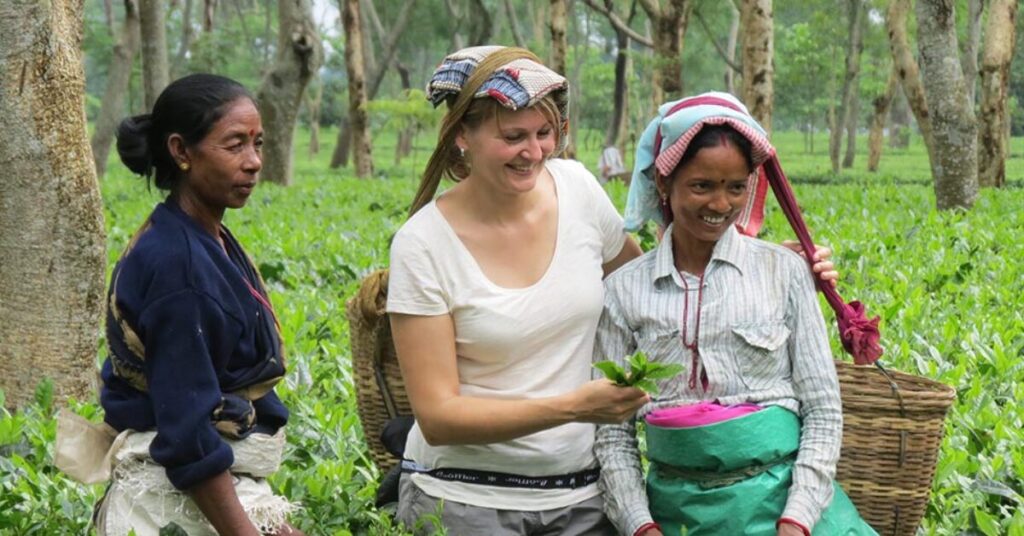
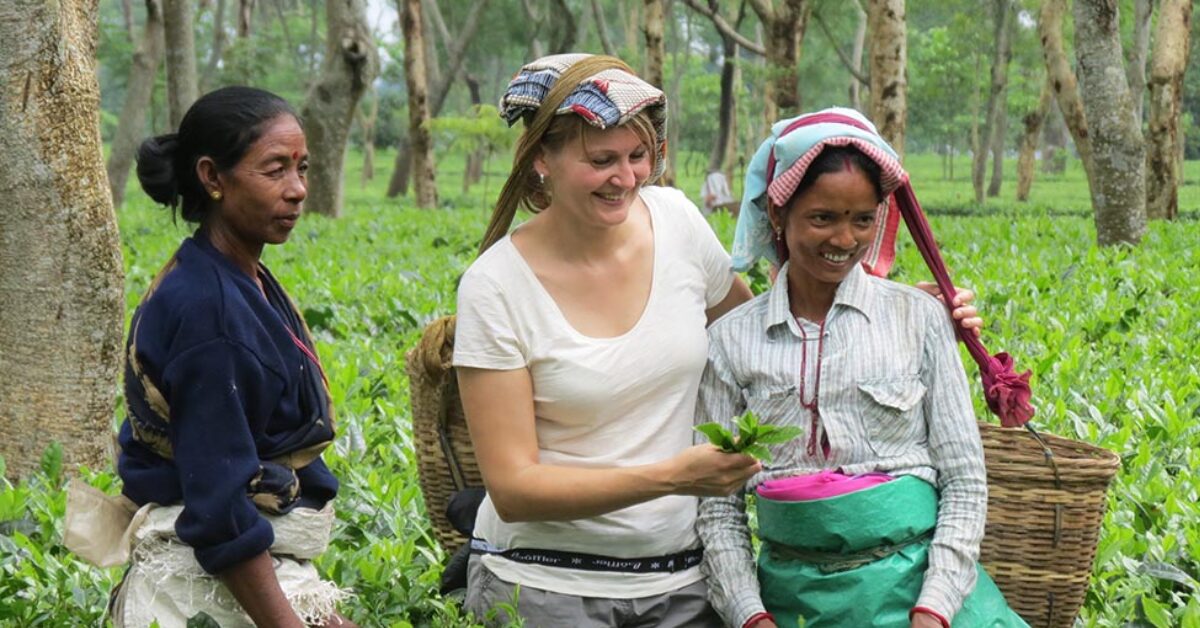
- Plantation tours and tea plucking sessions
- Guided tea tastings
- Cultural tea ceremonies
- Visits to tea museums and heritage estates
This form of travel combines education, relaxation, and cultural exploration.
Iconic Tea Destinations Around the World
Darjeeling
Often referred to as the “Champagne of Teas,” Darjeeling is one of the most famous tea regions in the world. Its lush plantations and colonial-era estates offer scenic views and rich heritage experiences.
Assam
Assam is known for its strong and bold tea varieties. Visitors can explore vast tea gardens and learn about large-scale tea production processes.
Munnar
Munnar’s rolling hills are covered with tea plantations, creating a picturesque landscape. The region also offers tea museums and guided tours.
Kyoto
Kyoto is renowned for its traditional tea ceremonies, particularly matcha preparation. The city provides a deep cultural insight into Japanese tea traditions.
Hangzhou
Famous for Longjing (Dragon Well) tea, Hangzhou offers scenic tea plantations and centuries-old tea culture.
The Cultural Significance of Tea
Tea holds deep cultural importance in many societies. In countries like India, China, and Japan, tea is associated with hospitality, tradition, and social interaction.
Tea ceremonies, in particular, reflect values such as mindfulness, respect, and harmony. Participating in these rituals allows travelers to experience the cultural essence of a destination.
Tea Plantations as Travel Experiences
Tea estates are increasingly opening their doors to tourists, offering curated experiences that combine hospitality with education.
Visitors can:
- Stay in heritage tea bungalows
- Walk through plantations with expert guides
- Participate in tea plucking and processing
- Enjoy scenic views and nature walks
These experiences provide a deeper appreciation for the craftsmanship behind tea production.
The Rise of Specialty Tea Tourism
As global interest in specialty teas grows, travelers are seeking more refined and personalized experiences.
This includes:
- Organic and sustainable tea farming tours
- Boutique tea tastings
- Wellness retreats centered around tea
- Tea and food pairing experiences
Such offerings cater to travelers looking for unique and premium experiences.
Sustainable Practices in Tea Tourism
Sustainability is becoming an important aspect of tea tourism. Many plantations are adopting eco-friendly practices such as:
- Organic farming methods
- Water conservation
- Supporting local communities
Travelers can contribute by choosing responsible tour operators and respecting local environments.
The Future of Tea Tourism
Tea tourism is expected to grow as travelers increasingly seek slow, meaningful, and culturally rich experiences. With the rise of wellness and culinary travel, tea-focused journeys are becoming more appealing.
Conclusion
Travel for tea lovers offers a unique way to explore the world through culture, tradition, and flavor. From the misty hills of India to the ceremonial tea houses of Japan, each destination tells a story through its tea.
For those who appreciate the art of brewing and the beauty of nature, tea tourism provides a journey that is both soothing and enriching.