




Virtual Reality Travel: How VR Previews Are Changing Trip Planning
Virtual Reality Travel: How VR Previews Are Changing Trip Planning
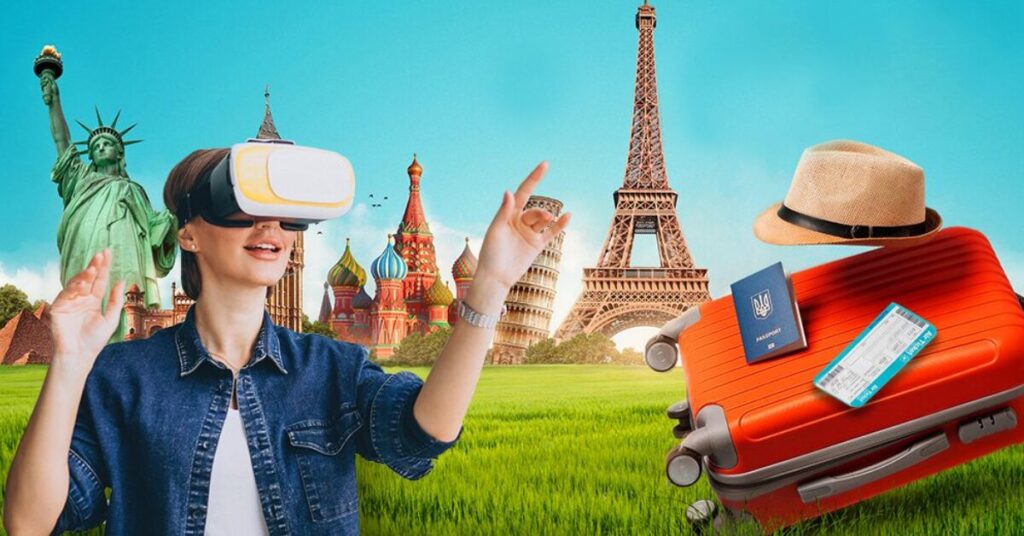
Planning a trip has traditionally involved browsing photos, reading reviews, and watching videos. However, technology is now taking this process a step further with the rise of virtual reality (VR) travel previews.
Virtual reality allows travelers to experience destinations before they even book, offering immersive 360-degree views of hotels, attractions, and environments. This innovation is transforming how people make travel decisions, making the process more interactive, informed, and engaging.
What Is Virtual Reality Travel Preview?
Virtual reality travel previews use VR technology to simulate real-world environments. By wearing VR headsets or using interactive 360-degree platforms, users can explore destinations as if they were physically present.
These previews may include:
- Virtual hotel room tours
- Walkthroughs of tourist attractions
- Simulated local experiences
- Interactive destination exploration
This level of immersion provides a clearer understanding of what to expect from a trip.
Why VR Is Changing Travel Decisions
Enhanced Visualization
Unlike static images, VR allows travelers to explore spaces in detail, helping them make more confident decisions.
Reduced Uncertainty
Travelers can assess accommodation, location, and amenities before booking, reducing the risk of disappointment.
Emotional Engagement
Experiencing a destination virtually creates an emotional connection, increasing the likelihood of booking.
How Travel Brands Are Using VR
Hotels, airlines, and tourism boards are increasingly adopting VR technology to attract customers.
Virtual Hotel Tours
Hotels offer immersive room tours, allowing guests to explore layouts, views, and facilities before making reservations.
Destination Marketing
Tourism boards use VR to showcase landmarks, cultural experiences, and natural attractions.
Airline Experiences
Some airlines provide virtual cabin tours, helping passengers choose seats and understand onboard services.
Benefits for Travelers
Virtual reality travel previews offer several advantages:
- Better decision-making through realistic previews
- Time-saving by narrowing down options quickly
- Increased confidence in bookings
- Access to remote or less-known destinations
These benefits enhance the overall travel planning experience.
Challenges of VR in Travel
Despite its potential, VR technology faces certain limitations.
Accessibility
Not all travelers have access to VR headsets or high-quality devices.
Cost of Implementation
Developing high-quality VR content requires significant investment from travel companies.
Limited Sensory Experience
While VR provides visual immersion, it cannot fully replicate physical sensations such as smell, temperature, or real-world interaction.
The Role of AI and Future Innovations
The integration of VR with artificial intelligence is expected to further enhance travel previews.
Future developments may include:
- Personalized virtual itineraries
- Interactive travel simulations
- Real-time customization based on user preferences
These innovations will make travel planning even more dynamic and user-focused.
The Impact on the Travel Industry
VR technology is reshaping the travel industry by influencing how destinations are marketed and how travelers make decisions.
It is particularly beneficial for:
- Luxury travel planning
- Destination weddings and events
- Adventure tourism previews
- Accessibility for travelers with mobility limitations
Conclusion
The rise of virtual reality travel previews marks a significant shift in how people plan their journeys. By offering immersive and interactive experiences, VR allows travelers to explore the world before they even step outside their homes.
As technology continues to evolve, virtual previews will become an essential part of travel planning, bridging the gap between imagination and reality.