




Ancient Indian Trade Routes That Are Becoming Modern Travel Trails
Ancient Indian Trade Routes That Are Becoming Modern Travel Trails
India’s ancient trade routes once connected civilizations, facilitated cultural exchange, and shaped economic history. In 2026, these historic pathways are being rediscovered as unique travel trails, offering travellers a chance to journey through time while exploring diverse landscapes and cultures.
The Historical Significance of Trade Routes
Trade routes were the backbone of ancient India’s economy and cultural exchange. They connected regions, enabling the movement of goods, ideas, and traditions.
Today, these routes provide a fascinating narrative of India’s past, making them ideal for experiential travel.
Notable Trade Routes Reimagined for Travel
Silk Route
Stretching across regions, the Silk Route connected India with Central Asia and beyond. In India, routes through Sikkim and Ladakh are now popular travel circuits.
Spice Route
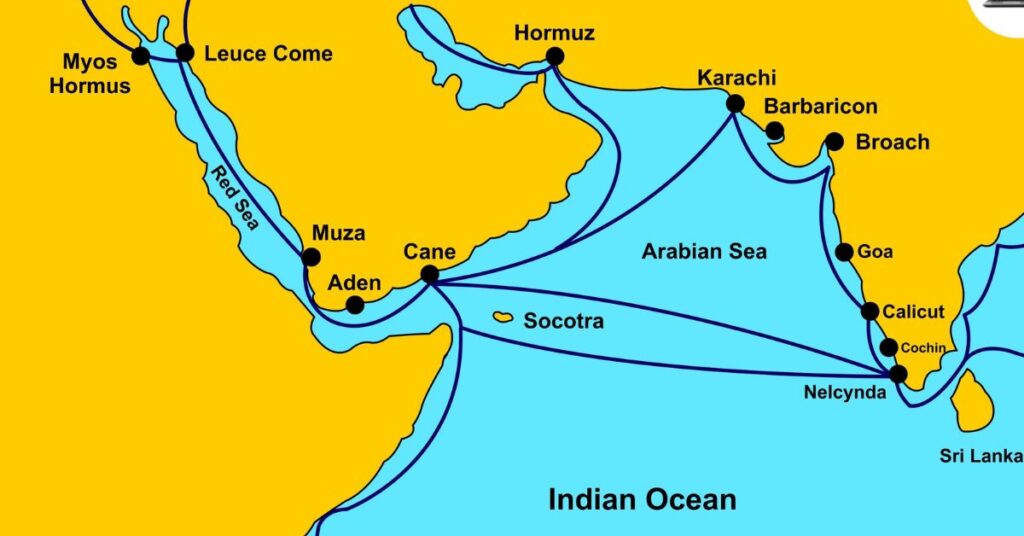
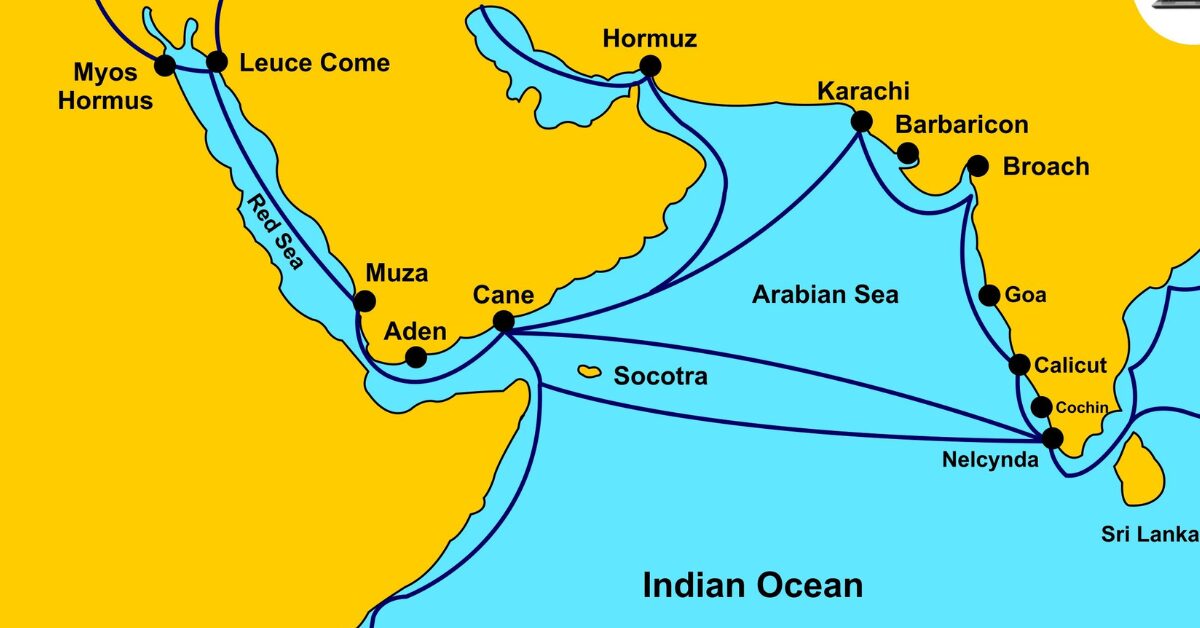
Connecting Kerala’s ports to global markets, the Spice Route is now explored through coastal travel experiences.
Uttarapatha
An ancient highway linking northern India with Central Asia, now inspiring heritage travel trails.
Experiences Along These Routes
Heritage Exploration
Travellers can visit ancient towns, forts, and markets that once thrived along these routes.
Cultural Encounters
These routes pass through diverse regions, offering exposure to different traditions and lifestyles.
Scenic Journeys
From mountain passes to coastal roads, the landscapes are as captivating as the history.
Why These Routes Are Trending
- Growing interest in experiential travel
- Desire to explore history beyond monuments
- Development of heritage circuits
- Influence of storytelling in travel
Challenges and Preservation
Preserving these routes requires careful planning to avoid over-commercialization. Sustainable tourism and community involvement are essential.
Travel Tips
- Research the historical context
- Choose guided tours for deeper insights
- Travel responsibly
- Respect local cultures
Conclusion
Ancient trade routes are being transformed into modern travel trails that offer a unique blend of history, culture, and adventure. In 2026, they provide travellers with an opportunity to explore India through the lens of its rich past.